
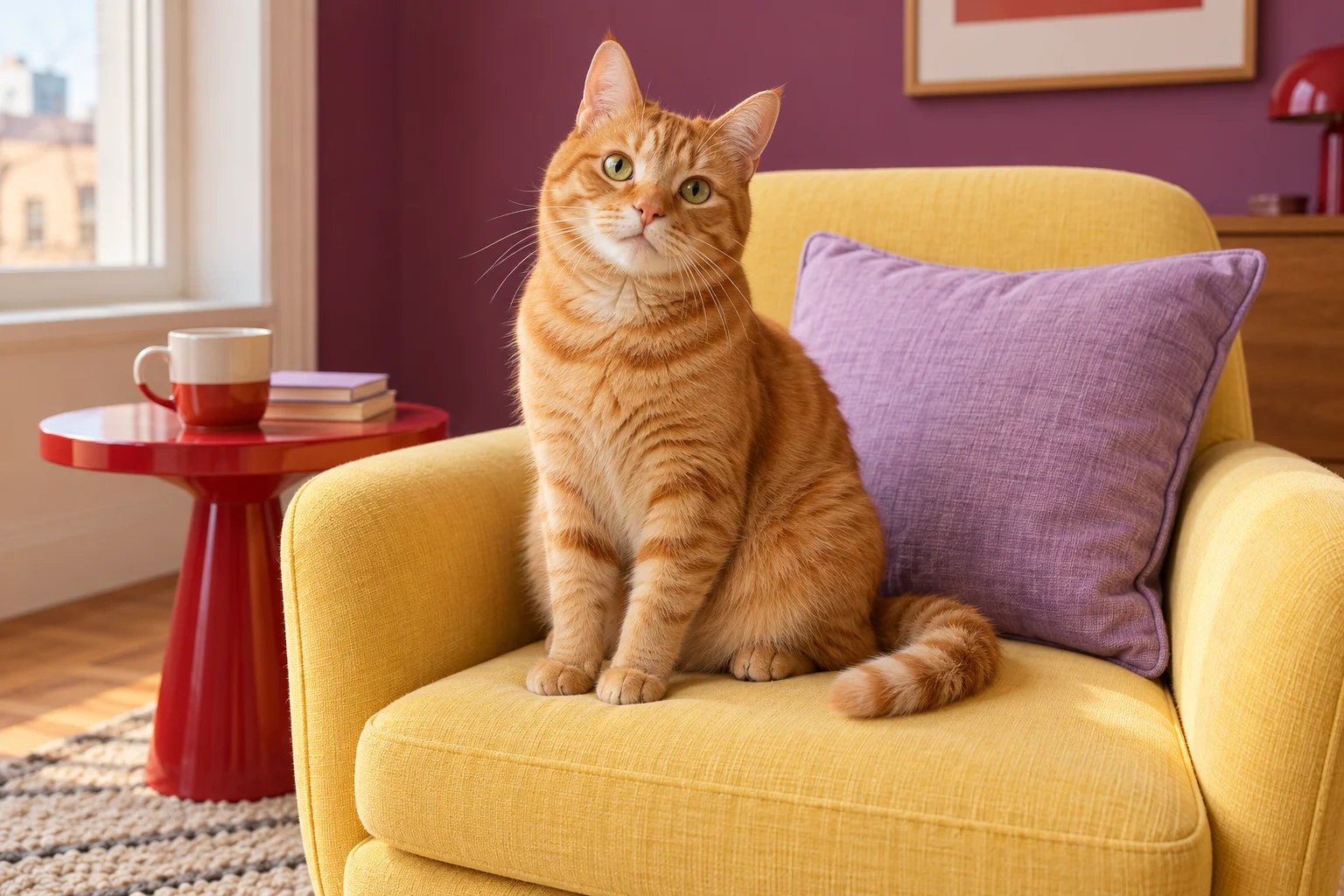
Separate essentials from upgrades
List what you need for everyday care first. Then list improvements to the apartment layout. A more attractive litter cabinet and an essential veterinary visit do not belong in the same priority category. This guide covers home setup purchases, not the full cost of keeping a cat.
Price the year, not just the object
For each product, note its purchase cost, consumables, cleaning requirements, and replaceable parts. A fountain can involve filters; a cardboard scratcher wears down; a liner-based tray may create repeat costs. Look at the exact model’s instructions rather than assuming every product in a category works the same way.
Measure before comparing prices
An inexpensive product that does not fit is still wasted money. Check door clearance, the usable interior of a tray, the footprint of a scratching post, and access for cleaning. Keep both inches and centimeters on your room sketch if you shop across regions.
Try a basic version first
Where suitable, start with a simple version of the function and observe your cat. You might discover that the favored resting place is an existing washable blanket or that horizontal scratching is preferred. Save upgrades for a known need rather than buying a complete set before you have useful feedback.
Use the planner as a prioritization tool
Our planner calculates quantities, selected equipment, delivery, additional tax and your entered recurring costs. Sourced prices are dated retailer snapshots; missing local quotes remain explicitly unknown. Keep food, routine and emergency veterinary care, deposits, insurance, and travel costs in your separate household plan.
Make it work in your home.
Turn your space, budget, and pets into a starting setup you can print and refine.
Create your apartment planThese are general home-planning ideas, not veterinary, structural, or legal advice. Follow product instructions and seek qualified help for your pets’ individual needs. Read our editorial standards.