
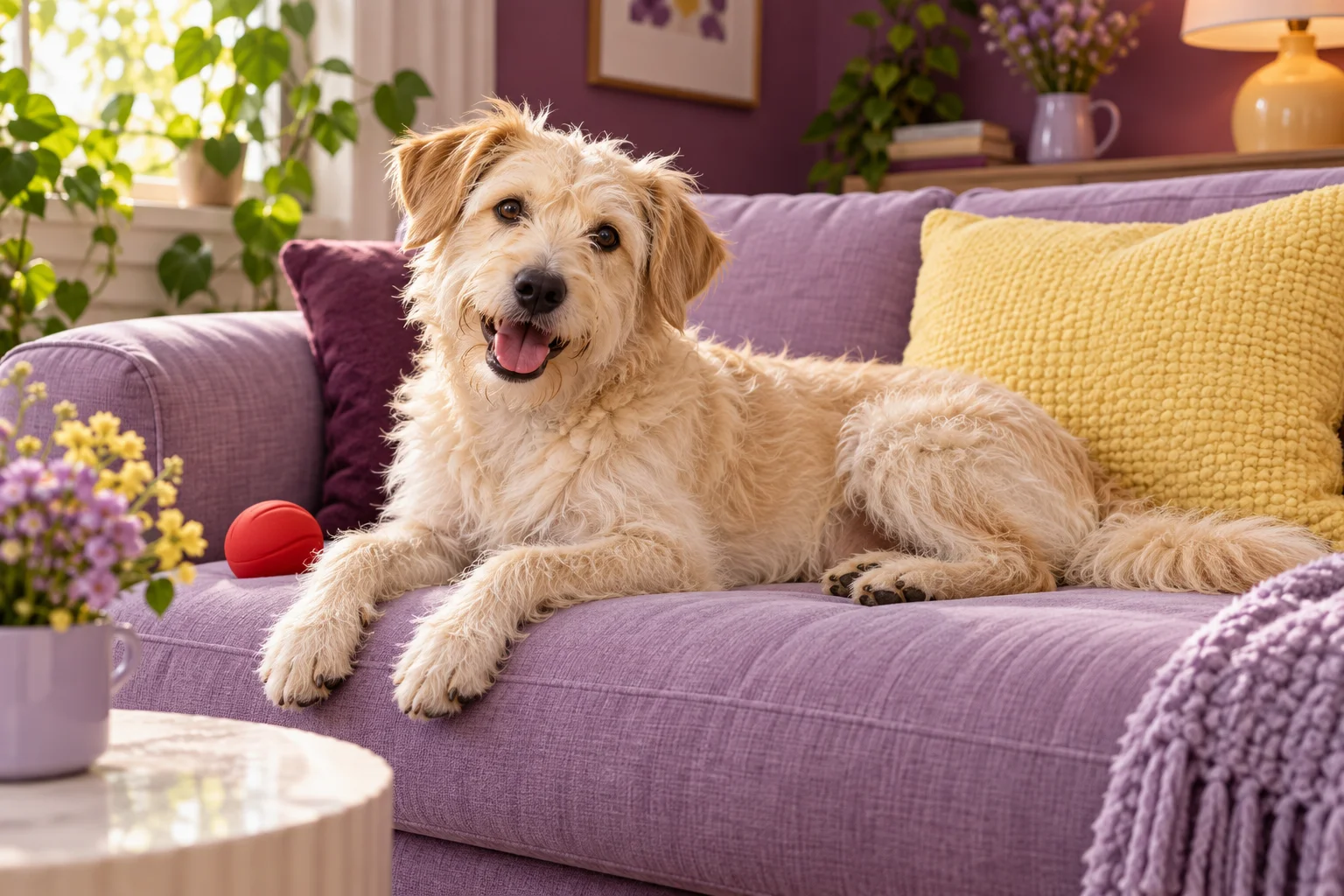
Get to know this dog
There is no universal list of things every dog enjoys. Dogs Trust recommends introducing handling gradually and positively, starting with touch the individual already finds comfortable. A relaxed dog should be able to choose to stay with you. Tolerating a hug or staying still does not automatically mean wanting more.
Keep activities achievable
Dogs Trust includes scent-based enrichment among its suggestions. Start a new activity simply, supervise, and adjust to your dog. Puzzles are one option, not a replacement for walks, toileting, company or rest. A worthwhile day does not need an endless queue of difficult games.
Create a preference map
For a week, note what your dog chooses: a sniffing stop, a quiet spot near you, a familiar toy, or an easy food search. Record the setting too. A game enjoyed in a quiet room may be less appealing when visitors arrive. Use your notes to plan the day and decide whether buying something would solve an actual problem.
Leave some breathing room
Let a resting place stay quiet. Explain preferred greetings to visitors and avoid arranging encounters just for a photo. Make room for your dog to leave an interaction. Seek qualified help if grooming or handling is difficult. A sudden change in behavior or touch sensitivity deserves veterinary advice.
Write a calmer shopping brief
Finish this sentence before buying: “I need something that helps us with…” Feeding activities, cleanup, and resting surfaces do different jobs. Choose for the job and your dog’s size and habits. Inspect toys, follow instructions, and remove damaged items. What your dog actually uses tells you more than a viral video.
Make it work in your home.
Turn your space, budget, and pets into a starting setup you can print and refine.
Create your apartment planSources & further reading
These are general home-planning ideas, not veterinary, structural, or legal advice. Follow product instructions and seek qualified help for your pets’ individual needs. Read our editorial standards.